Black tie etiquette for students is simpler than it looks: wear evening clothes rather than daywear, arrive on time, follow the host's lead at the table, talk to the adults beside you as equals, keep the phone out of sight, and if you are asked to speak, speak for ninety seconds and sit down. The conventions can be learned in an afternoon.
Key takeaways
- Black tie is an evening dress code: a dinner jacket with a bow tie, or a floor-length or formal evening dress, and never business or daywear.
- Hiring is the sensible choice for a first gala; buying makes sense only if you expect several formal evenings in the next few years.
- Formal dinner etiquette rests on three habits: napkin on the lap when seated, cutlery used from the outside in, and eating at the pace of the table.
- A 60–90-second address has one idea, one story and one line to end on; it is written down, rehearsed aloud and delivered without notes if possible.
- The Global 60 Gala is a black-tie Saturday night in Manhattan with 4–8 selected delegate voices, formal speech time under 25 minutes and a cohort portrait.
What is black tie?
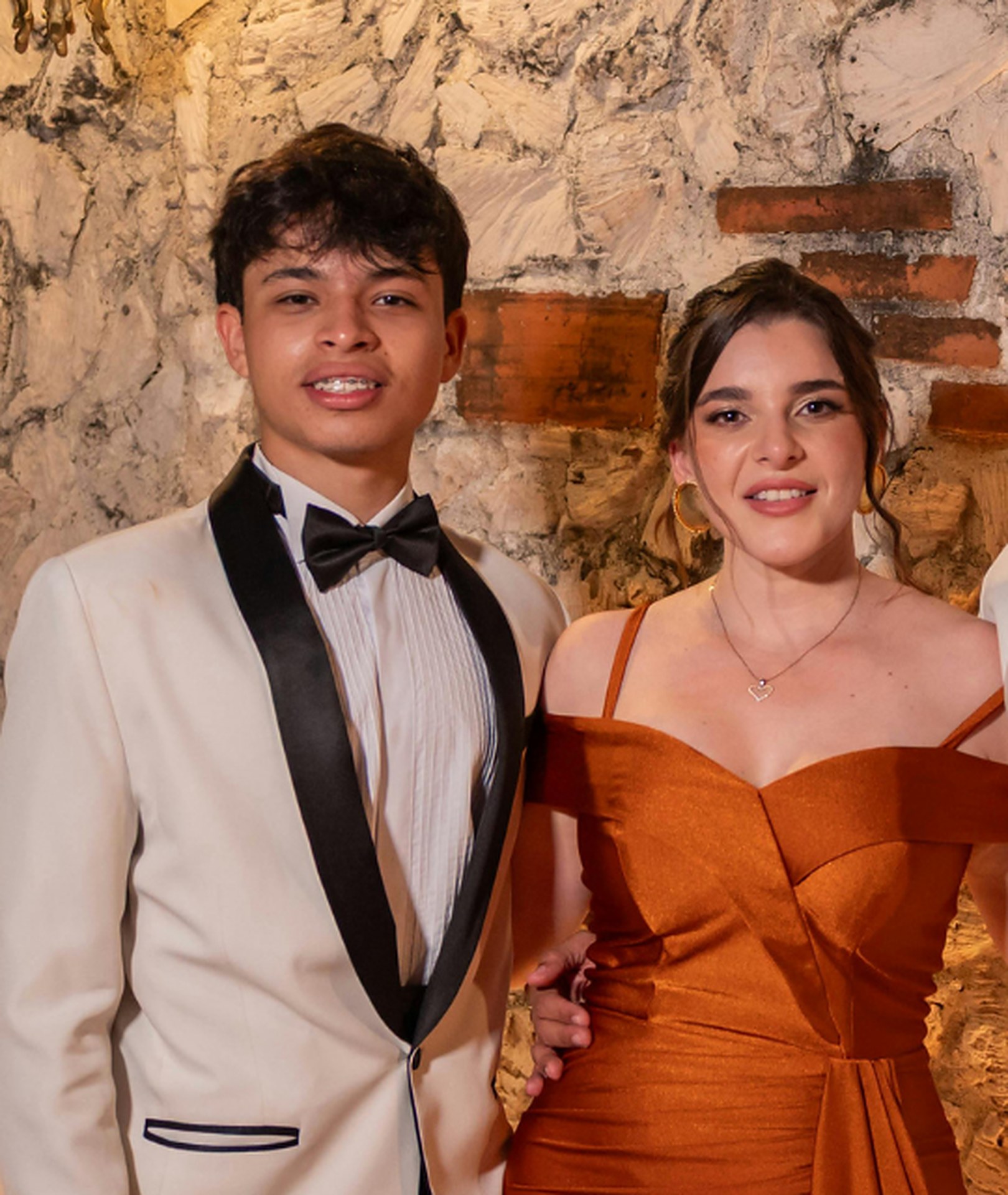
Black tie is the evening dress code that sits between cocktail attire and white tie: for a dinner jacket it means a black or midnight-blue jacket with silk facings, matching trousers, a white evening shirt, a black bow tie and black evening shoes; for a dress it means a floor-length gown or a formal evening dress in an evening fabric, with dress shoes and restrained jewellery.
The dress code is about the occasion, not gender, and most modern events, including Model UN galas, accept either route from anyone. What it does not accept is daywear: a business suit with a long tie, a short cocktail dress in a daytime fabric, or anything you would wear to committee. The black tie dress code explained in one sentence is "evening clothes after dark".
The dinner jacket route
A dinner jacket (the American term is tuxedo) is single- or double-breasted, with peaked lapels or a shawl collar faced in silk or grosgrain, and trousers with a single silk stripe and no turn-ups. The shirt is white, with a turn-down or wing collar and a pleated or marcella front. The bow tie is black and, ideally, self-tied. A cummerbund or a low-cut evening waistcoat covers the waist, never both, and never a belt.
The dress route
A floor-length gown is the traditional answer and is always correct. A formal dress that falls below the knee, in an evening fabric such as silk, satin, crêpe or velvet, is accepted at most galas today. Colour is open; black, navy and deep jewel tones are the easiest to wear well. Avoid anything so structured or long that you cannot sit, climb a stair or dance in it.
Other formal dress
National and cultural formal dress of equivalent formality, a formal sherwani, a long formal kilt outfit, an evening kimono, is appropriate at a black-tie event; if unsure whether a garment meets the standard, ask the organiser beforehand.
Hire or buy, and what to wear with it
For a first gala, hire; buy a plain black dinner jacket or a simple evening dress in a classic cut only if you expect several formal evenings in the next few years, because classic pieces do not date and the cost per wearing falls quickly.
| Hire | Buy | |
|---|---|---|
| Best for | A first formal evening; a growing teenager | Repeated events; a body that has stopped changing |
| Fit | Adequate; book a fitting a week ahead | Can be altered properly; buy for the shoulders and alter the rest |
| Timing | Reserve two to three weeks ahead; collect two days before | Allow one to two weeks for alterations |
Shoes
With a dinner jacket, black patent or highly polished black leather oxfords with black over-the-calf socks; never brown shoes, never trainers. With a dress, heels you can genuinely walk in for four hours, or elegant flats; the room stands for the portrait and the speeches. Break new shoes in at home for a week.
Accessories
Fewer, better. With the jacket: cufflinks, a plain white pocket square if you like, a slim watch or none at all. With the dress: a small evening bag and one piece of jewellery that does the work. Leave badges and delegate pins in the room unless the organiser asks you to wear them.
Grooming
Hair tidy and off the face for the portrait, nails clean, fragrance light at a table where others are eating; a five-minute check in a full-length mirror before leaving the room prevents most regrets.
Arriving, seating and introductions
Arrive within the first fifteen minutes of the stated time, find the seating plan before you find your friends, and introduce yourself to the people on either side of your place before you sit down.
A formal dinner usually opens with a reception, where you hold a glass in the left hand so that the right is free and dry for handshakes. When dinner is called, go to your allocated seat; seating plans are deliberate, and moving place cards is the most noticed breach of the evening. Wait to sit until the host or the top table sits.
Introductions are simple: your name, where you are from, and one thing that connects you to the evening. Repeat the other person's name once when you hear it; you will remember it, and they will notice that you did.
Formal dinner etiquette at the table
Formal dinner etiquette rests on three habits: put the napkin on your lap when you sit, use cutlery from the outside in with each course, and eat at the pace of the table rather than your own.
- Napkin: on the lap once seated, on the chair if you leave briefly, loosely to the left of the plate when you have finished.
- Cutlery: work from the outside in; dessert cutlery sits above the plate; when finished, lay the knife and fork together on the plate.
- Bread: your bread plate is on the left, your glasses on the right; break bread with your hands and butter one piece at a time.
- Glasses: water is always available, and underage delegates are not served alcohol at a properly run student gala.
- Pace: start each course when those around you start, and do not begin a course until everyone has been served.
- Dietary needs: tell the organiser in writing in advance and confirm quietly with the serving staff on the night.
- Speeches: cutlery down, glass down, eyes on the speaker; applause generous and brief.
Talking with adults you have not met
Good conversation with an adult you have not met comes down to one genuine question and real attention to the answer; you do not need to be impressive, you need to be interested.
Open with something about the day, then ask what brought them here and what they do, and follow up on the answer rather than steering back to yourself. When they ask about you, answer in two or three sentences and return a question. Do not ask what anyone earns, how they voted or whether they can get you an internship.
Talk to both neighbours over the course of the meal, turning from one to the other between courses. The skills here are the same ones taught in the training guide on diplomacy skills; a formal dinner is a committee with better lighting.
Phones and photographs
The phone stays out of sight at the table: silent, in a pocket or bag, not face down beside the plate, and never in your hand while someone is speaking or eating with you.
Photographs are part of a gala, but there is an order to them: the reception before dinner and the interval after the speeches are for your own pictures; the table, the speeches and the recognition moments are not. Ask before you photograph another person and before you post a picture that includes them, because a student cohort includes people whose families have consented to the organiser's photography and not to yours.
How a 60–90-second address works
A short address at a formal dinner has one idea, one story that illustrates it and one line to end on, takes between sixty and ninety seconds, and is delivered standing, from memory if you can and from a single card if you cannot.
Structure it in four beats: a sentence that places the audience in a moment from the last two days; the idea that moment revealed; one concrete detail that makes it real; and a closing line written out word for word and rehearsed until it bores you. Ninety seconds spoken is roughly 200 to 230 words at a calm pace; write to 180 and you will finish inside the time even when nerves speed you up.
A short toast
A toast is shorter still. Stand, wait for the room to quieten rather than talking over it, name the person or thing being toasted, say why in one or two sentences, raise the glass and say the toast ("To the chairs"), then sit. Water is a perfectly acceptable glass to raise.
The delivery rules are those of any speech: feet still, hands quiet, eyes up, the last line slow. The guide to public speaking for delegates has drills that transfer directly, and the Model UN opening speech guide shows how to cut text.
What makes The Global 60 Gala different
The Global 60 Gala is a black-tie dinner on the Saturday night of the conference, at a Manhattan venue announced to admitted delegates, where the speaking is done by four to eight selected delegate voices of sixty to ninety seconds each, formal speech time stays under twenty-five minutes, and the evening closes with the cohort portrait.
The Saturday evening is a formal dinner within the two-and-a-half-day programme, which runs from Thursday 22 – Sunday 25 April 2027, and the final committee session and the Global Plenary follow on the Sunday morning. Recognition citations are read at the dinner, but the evening belongs to the table rather than the lectern: there are no sixty speeches.
- Dress: black tie, in any of the forms described above; what to wear to Model UN covers the committee days as well.
- Portraits: professional portraits through the evening and the cohort portrait of all sixty are included on every tier.
- Parents: a delegate on the Private tier ($3,999) has one parent or guardian seat at the gala; a delegate on the Excellency tier ($4,999) has two, at the head table. The academic programme is identical on every tier, and no tier affects country assignment, speaking time, committee role, awards or recognition.
Photography of the gala on the Youth Impacts site and in the admission pack is campaign imagery until the Founding Class of 2027 has its own; it does not show past delegates. The gala page describes the evening in full and the admission page explains what each tier includes.
Where to go next
Start with the Global 60 Gala page and the full programme, which set out the dress code for each day. Parents comparing formats will find the parents' page useful on supervision and seating, and anyone asked to speak should read the public speaking guide a week before, not the night before.
Frequently asked questions.
What does black tie mean?
An evening dress code: a black or midnight-blue dinner jacket with a bow tie, or a floor-length gown or formal evening dress. It is more formal than cocktail attire and less formal than white tie, and it excludes business or daywear.
Can I wear a normal suit to a black-tie event?
A business suit with a long tie does not meet the dress code. If a dinner jacket is not possible, a black suit with a white shirt and black bow tie is the closest acceptable substitute, but hiring is usually easy enough to avoid it.
Should a student hire or buy black tie?
Hire for a first gala, especially while still growing. Buy a plain black dinner jacket or a classic evening dress only if you expect several formal evenings over the next few years.
How long should a short toast or address be?
A toast takes twenty to thirty seconds; a formal address at a student gala takes sixty to ninety seconds, which is about 180 to 230 spoken words. Write to the shorter end.
What happens at The Global 60 Gala?
A black-tie dinner on the Saturday night at a Manhattan venue announced to admitted delegates, with four to eight selected delegate voices of 60–90 seconds, formal speech time under 25 minutes, recognition citations and the cohort portrait. Parents have one seat on the Private tier and two on the Excellency tier.

Youth Impacts is a Model United Nations organisation. Its flagship New York experience is The Global 60: sixty delegates, three small chambers, 22 – 25 April 2027, admission by application and interview. Youth Impacts Model United Nations (YIMUN) has run since 2025. Questions: info@youthimpacts.com. Published 19 September 2026.