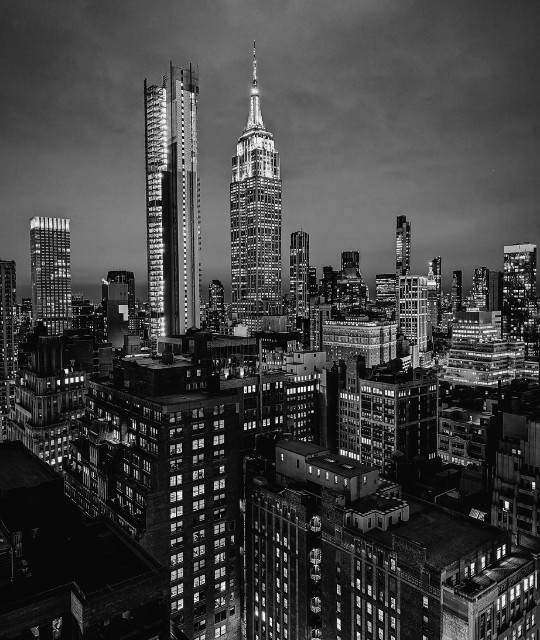
Visiting United Nations Headquarters as a student means joining a public guided tour run by the UN Visitors Centre, which takes you through the buildings on First Avenue in Manhattan where the General Assembly and the Security Council meet. Tours generally need advance booking, photo identification and airport-style security screening, and the visit is far more valuable if you arrive knowing what to look at and what to ask.
Key takeaways
- United Nations Headquarters occupies international territory on the east side of Manhattan, along First Avenue between 42nd and 48th Streets.
- The public can visit only on a guided tour organised by the UN Visitors Centre; tours generally require advance booking, identification and security screening, and rules change, so check the official page before you travel.
- The two rooms most students want to see are the General Assembly Hall and the Security Council Chamber, though access to either depends on the day's official business.
- A student gets the most from the visit by connecting what they see to a committee they have sat in: the rules, the seating, the document flow and the informal spaces where agreement is actually reached.
- At The Global 60, an official guided visit to United Nations Headquarters is planned as part of the programme, subject to availability and UN security requirements, in three groups of approximately twenty.
- What United Nations Headquarters is
- Can students visit the UN?
- How the UN Headquarters tour works: booking, ID and security
- What a student should look at
- What to ask your guide
- How to connect the visit to committee work
- How The Global 60 treats its visit
- Practical tips for visiting United Nations Headquarters as a student
- Where to go next
What United Nations Headquarters is
United Nations Headquarters is the complex of buildings on the East River in Manhattan where the principal organs of the United Nations meet and where most of its permanent staff in New York work. The site runs along First Avenue between 42nd and 48th Streets and is international territory: it belongs to the UN's 193 member states collectively rather than to the United States, although it remains subject to most local laws by agreement with the host country.
The complex was built after the Second World War, once the organisation had been founded by the UN Charter in 1945 and New York had been chosen as its permanent home. Four buildings matter to a visitor:
- The General Assembly Building contains the General Assembly Hall, the largest room in the complex, where all member states sit and where the annual general debate takes place each September.
- The Conference Building houses the Security Council Chamber, the Trusteeship Council Chamber and the Economic and Social Council Chamber, each designed and furnished as a gift from a member state.
- The Secretariat Building is the tall glass tower seen in most photographs; it is not part of the tour.
- The Visitors Centre and grounds include the entrance, exhibitions, the bookshop and gift shop, and a garden with well-known gifts such as the Japanese Peace Bell and sculptures donated by member states.
For a student of Model United Nations (Model UN, MUN), the committees you simulate meet here, using the same organs and, in outline, the same rules of procedure you have practised. Our free module on the history of the United Nations sets out how the organisation came to exist.
Can students visit the UN?
Yes: students can visit the UN, either independently or as part of a school or organised group, by joining one of the public guided tours run by the UN Visitors Centre. There is no requirement to be a delegate, a diplomat or an adult, though the Visitors Centre sets minimum ages, group rules and identification requirements that you should check on its official page before booking.
Three routes are common:
- Independent visit. A student or family books a standard guided tour directly.
- School or group visit. Schools and organisations book a group tour in advance, usually with a chaperone requirement and a minimum notice period.
- Conference visit. Some Model UN programmes arrange a visit as part of their schedule. The organiser handles the booking; the delegates still go through the same security screening as any other visitor.
How the UN Headquarters tour works: booking, ID and security
The UN Headquarters tour in New York works like this: you book in advance through the UN Visitors Centre, arrive early with valid photo identification, pass through a security screening similar to an airport's, and then join a guide who takes your group through the public areas of the complex for roughly an hour. The precise rules, ages, prices, languages and opening hours change, so check the official UN Visitors Centre page for current rules, ages and hours before you travel.
What you can generally expect:
- Advance booking. Tours are usually ticketed with a fixed time slot. Popular periods, including the September high-level week, sell out or close entirely.
- Identification. Adults are normally asked for government-issued photo ID; students should carry a passport or national identity card, and international visitors should assume a passport is required.
- Security screening. Bags are screened and large luggage is not admitted. Arrive earlier than your slot to allow for the queue.
- Group size. Guided tours are limited to a modest number of visitors per guide, so large parties are split into several groups.
Do not rely on a blog for the rules
This article, and every other unofficial guide, can be out of date within a month. Treat the UN Visitors Centre's own page as the single source of truth for booking, ages, identification and hours.
What a student should look at
A student should look at the two great chambers first, the General Assembly Hall and the Security Council Chamber, and then at the smaller details that explain how diplomacy actually functions: the seating plan, the interpreters' booths, the document counters and the corridors and lounges where most agreements are reached before anyone votes.
The General Assembly Hall
Notice the scale, the emblem above the rostrum, and the fact that every member state has the same number of seats regardless of size. Ask where your committee's country would sit; seating is reassigned each session by drawing lots for the first seat, so no country keeps a permanent place at the front.
The Security Council Chamber
The horseshoe table with fifteen seats is the most recognisable room in international politics. Look at how close the delegates sit to one another compared with the Assembly, and consider what that does to the tone of debate. The chamber and its mural were a gift from Norway.
The details
- Interpretation booths. Six official languages are interpreted simultaneously; the booths above each chamber are where that happens.
- The gifts. Member states have donated artworks throughout the complex, including a stained-glass window by Marc Chagall. Each gift is a small piece of diplomacy in itself.
- The informal spaces. Lounges and corridors are where texts are negotiated. Ask your guide to point them out; they matter more than the chambers to the outcome of most resolutions.
What to ask your guide
The best questions to ask a UN guide are the ones that connect the rooms to the process: how a draft resolution physically travels from a delegation to the floor, what happens in the chamber on a normal working day rather than a televised one, and where delegates go when they need to agree something off the record. Guides are usually multilingual staff or trained volunteers with a good working knowledge of the organisation, and they respond well to specific questions.
A short list to carry with you:
- How does a resolution reach the floor of the General Assembly, and who decides the order of business?
- What is different about a Security Council meeting held in the chamber versus consultations held in private?
- Where do delegates negotiate the text of a resolution before the formal meeting?
- How does simultaneous interpretation work when a delegate speaks quickly or uses an idiom?
- Which recent meeting in this room did the guide find most memorable, and why?
How to connect the visit to committee work
You connect a visit to United Nations Headquarters to committee work by treating the tour as a field study of the procedures you simulate: compare the real speakers' list, seating and document flow with the version in your conference's rules of procedure, and note the differences. Most of what you see is directly transferable to the next committee you sit in.
| What you see at Headquarters | What it teaches a delegate |
|---|---|
| Equal seating for all member states in the Assembly | Why a small state's vote and voice carry the same formal weight, and why bloc-building matters |
| Fifteen seats at the Security Council table | Why negotiation in a small room is more direct, and why the veto shapes everything said in it |
| Interpreters and formal language | Why clear, slow, well-structured speech is a courtesy and a tactic |
| Lounges, corridors and side rooms | Why the unmoderated caucus is where resolutions are really written |
| Document counters and symbols | Why draft resolutions, amendments and working papers follow strict formats |
Afterwards, write half a page on what surprised you; delegates who do this tend to speak with more authority in their next committee.
How The Global 60 treats its visit
At The Global 60, an official guided visit to United Nations Headquarters is planned as part of the programme, subject to availability and UN security requirements. It sits on the Saturday morning of the programme, before the second committee session and the Founder Lab, and because guided tours are limited to a modest number of visitors, the cohort of sixty visits in three groups of approximately twenty, each travelling with Youth Impacts staff.
The visit is treated as part of the academic programme rather than as sightseeing. Delegates have already sat through their first committee session by the time they arrive, so they walk into the chambers with a live topic and a live country in mind, and they return to their own three chambers that afternoon. The programme page shows how the Saturday is arranged, and the New York page describes the rest of the city programme.
Two points of honesty. First, the visit is planned and conditional; the UN sets its own access rules and can close areas at short notice, and Youth Impacts will not promise access to any particular room. Second, The Global 60 and Youth Impacts are independent programmes and are not affiliated with or endorsed by the United Nations. Delegates visit as members of the public, on the same terms as any other visitor.
Practical tips for visiting United Nations Headquarters as a student
The practical rules for visiting UN Headquarters as a student are the same as for any secure building: arrive early, travel light, carry identification and dress as if you might be seen. A few specifics help.
- Travel light. Large bags and suitcases are not admitted; leave luggage at your hotel.
- Carry ID. A passport is the safest choice for international students. Keep it accessible for the security desk.
- Allow time. Security queues are unpredictable; being early costs you nothing and being late may cost you the tour.
- Dress appropriately. Business or smart casual is appropriate. Our guide to what to wear to Model UN covers the standard.
If you are travelling for a conference more generally, our student travel guide to New York covers arrival, transport and safety for the rest of the trip.
Where to go next
Read the free module on the history of the United Nations before your visit, and the rules of procedure guide afterwards to see how much of the building you now understand. For The Global 60, the New York page and the programme page set out the Saturday, and admission and fees explains how to request admission to the Founding Class of 2027.
Frequently asked questions.
Can students visit the United Nations in New York?
Yes. Students can join public guided tours run by the UN Visitors Centre, independently or as part of a school or organised group. Check the official Visitors Centre page for current minimum ages, identification rules and hours.
Do I need to book a UN Headquarters tour in advance?
Generally yes. Tours are ticketed with time slots and popular periods sell out or close, particularly during the September high-level week. Book through the official UN Visitors Centre.
What ID do I need to visit UN Headquarters?
Visitors are normally asked for government-issued photo identification. International students should carry a passport. Confirm the current requirement on the official Visitors Centre page before you travel.
Will I see the Security Council Chamber and the General Assembly Hall?
Usually, but not always. Both rooms can be closed to visitors when official meetings are under way, and the UN decides access on the day.
Is the UN visit guaranteed at The Global 60?
No. An official guided visit to United Nations Headquarters is planned as part of the programme, subject to availability and UN security requirements. The cohort would visit in three groups of approximately twenty.
Is The Global 60 affiliated with the United Nations?
No. The Global 60 and Youth Impacts are independent programmes and are not affiliated with or endorsed by the United Nations. Delegates visit Headquarters as members of the public.

Youth Impacts is a Model United Nations organisation. Its flagship New York experience is The Global 60: sixty delegates, three small chambers, 22 – 25 April 2027, admission by application and interview. Youth Impacts Model United Nations (YIMUN) has run since 2025. Questions: info@youthimpacts.com. Published 19 September 2026.